
ستافێ ئەکادیمی
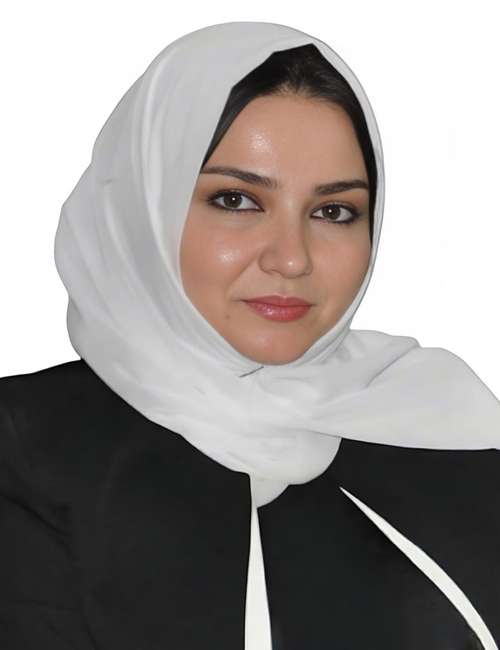
مامۆستا د مێژوویا ناڤەراست، سەردەمێ ئەیووبی دا
مێژوو
كولیژا پەروەردا بنیات
زانکۆیا دهۆك
- دکتۆرا د وارێ ئافرەتێن کورد د چەرخێن ناڤین دا، کۆلیژا زانستێن مرۆڤایەتی، زانکۆیا سۆران، 2025.
- ماستەر د مێژوویا ئیسلامی دا، کۆلیژا زانستێن مرۆڤایەتی، زانکۆیا زاخۆ، 2012.
- بەکالۆریۆس د مێژوویێ دا، کۆلیژا ئاداب، زانکۆیا دهۆک، 2005.
دەستپێکا کارێ من یێ ئەکادیمی ل سالا 2011ێ وەک مامۆستا ل پشكا دیرۆکێ ل کۆلێژا زانستێن مرۆڤایەتی ل ئاکرێ – زانکۆیا دهۆک دەستپێکر، و ئەڤ قۆناغە هەتا سالا 2020ێ بەردەوام بوو، کو بوو بنەمایەکێ سەرەکی بۆ ئاڤاکرنا شارەزایییا من یا زانستی و پەروەردەیی. پاشان ئەز چۆمە پشكا دیرۆکێ ل کۆلێژا پەروەردێ ل هەمان زانکۆ، ئەڤە ژی دەلیڤەک بوو دا کو ئاسۆییێن سەربۆرا خۆ بەرفرەهـ بکەم، ب تایبەت د تێکەلکرنا ناڤبەرا پسپۆرییا دیرۆکی و زانستێن پەروەردەیی و رێکێن وانەگۆتنێ دا.
سەربۆرا من یا وانەگۆتنێ ب جۆراوجۆرییا بابەتان دهاتە ناسین، کو هندەک پڕۆگرامێن خواندنێ یێن قۆناغێن جودا یێن دیرۆکێ دگرتنە خۆ، وەک: دیرۆکا کورد د چاخێن کەڤن و ناڤین دا، دیرۆکا میرنشینێن کوردی، ل گەل وانەگۆتنێ ل سەر دیرۆکا دەولەتێن ئیسلامی یێن مەزن وەک دەولەتا ئەمەوی، عەباسی و ئەیووبی، زێدەباری ژیاننامەیا پێغەمبەری (سلسلة السيرة النبوية). ئەڤێ جۆراوجۆریێ پشکداری کر د کویرکرنا تێگەهشتنا من بۆ پەیوەندییا د ناڤبەرا دیرۆکا دەڤەری و ئیسلامی دا، و ئەز شیام ناڤەرۆکەکا زانستی یا تێکهەلی پێشکێشی قوتابیان بکەم کو بەستنێ د ناڤبەرا روودانێن خومالی و جیهانی دا دکەت.
د قۆناغەکا دی دا، و ل گەل چوونا من بۆ کۆلێژا پەروەردێ، سەربۆرا من بەرفرەهتر بوو و بابەتێن پەروەردەیی و میتۆدۆلۆژی گرتنە خۆ، وەک: بنەمایێن رێکێن وانەگۆتنێ و دیالۆگا زانستی. ئەڤێ چەندێ رەهەندەکێ نوو دا کارێ من یێ ئەکادیمی، چونکی ئێدی ئارمانج بتنێ ڤەگوهاستنا زانیاریێن دیرۆکی نەبوو، بەلکو پێشخستنا کارامەییێن قوتابیان د بوارێ هزرا رەخنەیی، شرۆڤەکرن و گۆتوبێژا زانستی دا بوو.
من د وانەگۆتنا خۆ دا پشتبەستن ل سەر میتۆدەکا کارا (تفاعلي) دکر کو قوتابیان هان ددەت بۆ پشکداریا ڕاستەوخۆ، ب رێکا پێشکێشکرنا پرسیاران، گەرمکرنا گۆتوبێژێن ناڤ پۆلێ، و گرێدانا روودانێن دیرۆکی ب راستییا سەردەمێ نوو. هەروەسا من هەوڵ ددا ژێدەرێن جودا بکاربێنم، ژ پهرتووكێن ئەکادیمی بگرە هەتا گۆتارێن ڤەکۆلینێ، دا کو کارامەییێن ڤەکۆلینا زانستی ل دەف قوتابیان بێزێ بوو بکەم، ب تایبەت د بابەتێن پێشکەفتی دا وەک "کوردۆلۆجی" و "دیالۆگا زانستی".
ئێک ژ دیارترین ئاستەنگێن د رێکا من دا، جوداهییا ئاستێن زانستی یێن قوتابیان بوو، کو ئەڤێ چەندێ پێدڤی ب پەیڕەوکرنا ستراتیژییەتێن نەرم یێن وانەگۆتنێ هەبوو دا کو رەچەیا جوداهییێن تاکەکەسی بهێتە کرن و ئاستێ هەمییان بهێتە بلندکرن. هەروەسا من هەوڵ ددا هەڤسەنگییەکێ د ناڤبەرا ژبەرکرنا زانیارییان و پێشخستنا کارامەییێن بلند یێن هزرینێ دا پەیدا بکەم، کو ئەڤە ئێکە ژ گرنگترین ئارمانجێن خویندنا بلند یا سەردەم.
وەک ئەنجام، دشێم بێژم کو سەربۆرا من د وانەگۆتنێ دا بتنێ ڤەگوهاستنا پێزانییان نەبوو، بەلکو پرۆسەیەکا بەردەوام یا کارلێکرنێ بوو ب مەرەما ئاڤاکرنا کەسایەتییەکا ئەکادیمی یا هشێار ل دەف قوتابی، کو بشێت شرۆڤە بکەت، رەخنێ بگریت و پشکدار بیت د پێشخستنا زانستێ دیرۆکێ دا. ئەڤێ سەربۆرێ د درێژاهیا سالێن کارکرنێ دا، شیانێن من یێن وانەگۆتنێ و ڤەکۆلینێ پتر لێهاتی کرن، و باوەرییا من ب گرنگییا تەواکەرییا د ناڤبەرا زانستێ پسپۆری و کارامەییێن پەروەردەیی دا بێزێ بوو کر.